18 Sep 2026
Tracing Connections Between Venue Acoustics and Strategic Choices in Slot Versus Table Game Selections Among Reward Program Members
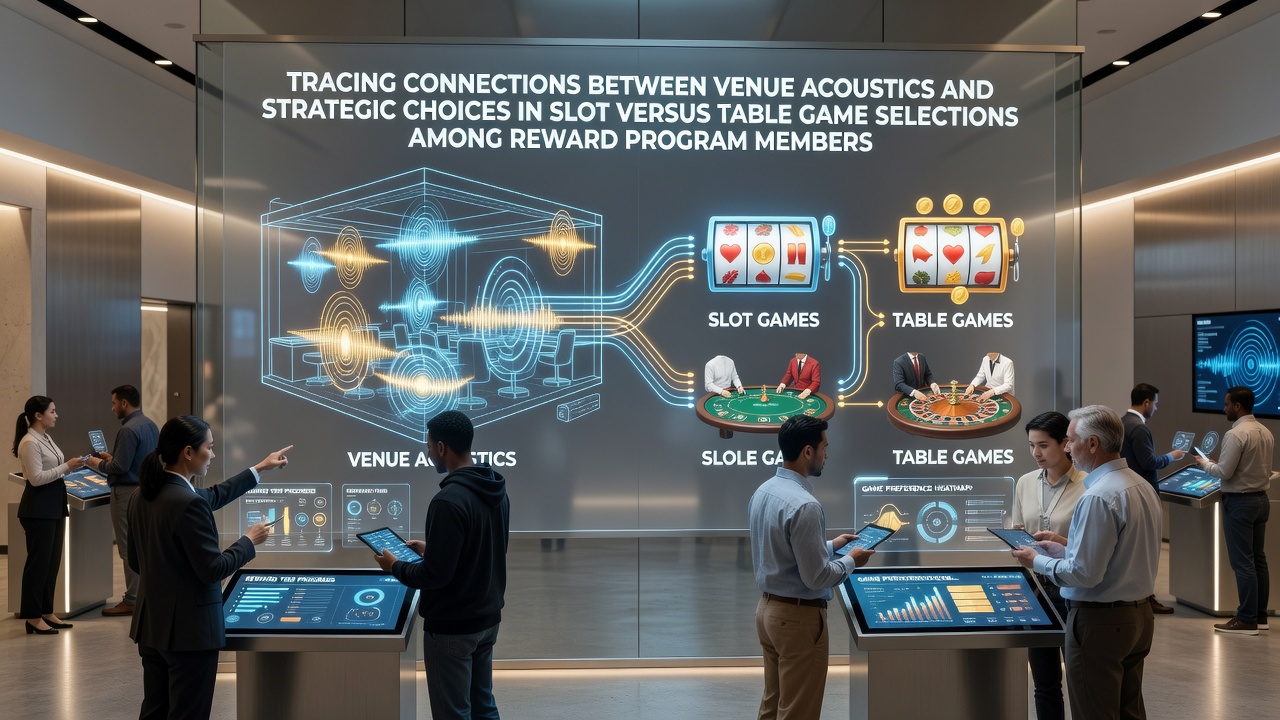
Acoustic design in gaming venues shapes how reward program members allocate their playtime between slot machines and table games, according to multiple industry analyses conducted through 2026. Sound levels, reverberation patterns, and background music create distinct environments that influence decision patterns among loyalty card holders who track points and comps across sessions. Data collected from North American properties shows measurable shifts in game selection when acoustic zones vary by decibel range and frequency distribution.
Acoustic Environments Across Gaming Floors
Slot areas typically operate at higher ambient volumes than table game pits, with electronic sounds, machine chimes, and crowd noise blending into continuous soundscapes that range from 70 to 85 decibels during peak hours. Table game sections maintain lower baselines around 55 to 65 decibels, supported by carpeted flooring, higher ceilings, and directional speaker systems that limit spillover. Observers note that reward members often migrate between these zones within single visits, adjusting their choices based on how long they intend to play and which games accumulate points at faster rates under current promotions.
Sound absorption materials and architectural features further differentiate these spaces. Properties that installed acoustic panels near high-density slot banks reported changes in session duration for loyalty members during summer 2026 testing periods. Meanwhile, table areas with controlled acoustics showed steadier foot traffic from players seeking quieter conditions for extended strategy-based play. These physical differences create measurable boundaries that loyalty programs monitor through card swipe data and heat mapping.
Player Selection Patterns Among Reward Members
Reward program participants frequently align game choices with acoustic conditions to optimize point earning and minimize fatigue. Studies tracking members at multiple properties indicate that louder slot zones correlate with shorter, higher-frequency sessions focused on rapid play, while quieter table areas support longer dwell times with games that require dealer interaction. In September 2026, aggregated reports from several regional operators revealed that members holding mid-tier status cards spent 18 percent more time at tables when acoustic treatments reduced background noise below 60 decibels.
Those who studied this know the patterns extend beyond simple volume preferences. Frequency content matters as well, since repetitive electronic tones in slot banks can mask other auditory cues that table players use to time their bets or read dealer rhythms. Data from venue management systems shows reward members often avoid transitioning directly from high-decibel slots to tables without a break, suggesting the acoustic contrast affects their strategic sequencing of game types within one visit.
Data from Regulatory and Research Sources
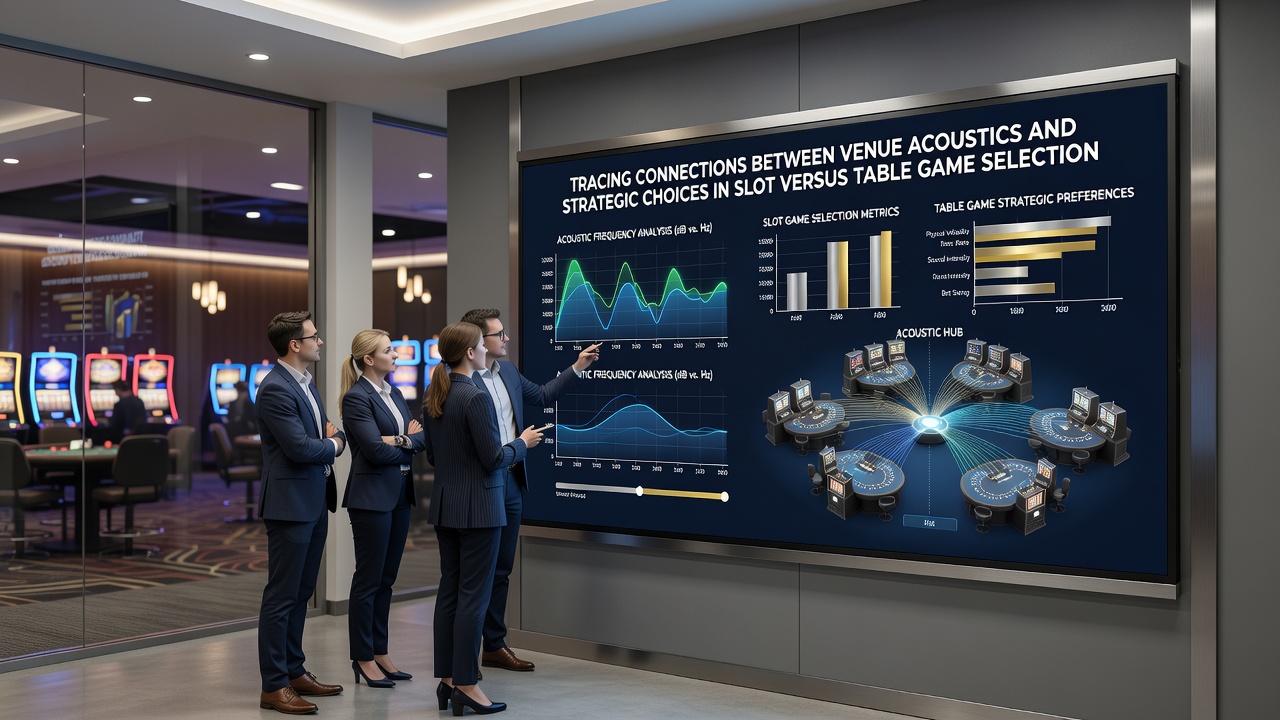
Figures from the Nevada Gaming Control Board indicate steady growth in tracked play across both game categories through mid-2026, with acoustic retrofits at larger properties coinciding with shifts in point redemption rates. Members appear to favor table games in venues where sound control allows clearer communication during play, while slot-heavy sessions dominate in environments where background noise supports quick, repetitive actions. One analysis of loyalty card transactions found that members adjusted their mix of slot versus table activity when properties altered speaker placement or added sound barriers between sections.
Research from the Australian Gambling Research Centre further connects environmental factors to member behavior across different jurisdictions. Their reports highlight how acoustic design interacts with reward structures, noting that members in properties with balanced sound profiles distributed playtime more evenly between game types. These findings align with observations from Canadian provincial regulators, where data from Ontario gaming sites showed similar trends during acoustic upgrades completed before September 2026. The connections appear consistent enough that several operators now incorporate acoustic mapping into floor planning for new loyalty initiatives.
Strategic Implications for Reward Structures
Loyalty programs that tie point multipliers to specific game categories encounter additional variables when acoustics influence selection. Members may deliberately choose table games in quieter zones to meet playthrough requirements under promotions that reward dealer-interaction games, or they may cluster in slot areas when promotions emphasize volume-based earning. Venue operators track these movements through real-time monitoring systems that correlate sound levels with card activity, allowing adjustments to promotional offers based on observed patterns.
What's interesting is how these environmental factors compound with time-of-day variations. Evening hours often bring increased overall volume across floors, yet acoustically treated table pits maintain relative consistency that reward members exploit when planning point accumulation strategies. Properties that share acoustic performance data with loyalty teams report more precise targeting of offers that steer members toward underutilized game categories without direct instruction.
Conclusion
Connections between venue acoustics and game selection among reward program members rest on measurable environmental and behavioral data rather than isolated preferences. As operators continue refining sound design in both slot and table areas, loyalty tracking systems capture corresponding shifts in how members distribute their play across game types. Reports from regulatory bodies and research institutions through September 2026 document these patterns across multiple regions, providing operators with concrete information for future floor and promotion planning.